Artificial intelligence has rapidly transformed how digital content is created and consumed. Two of the most exciting developments are text to video generation and AI-powered video translation. These tools allow users to convert written content into videos and translate spoken content into other languages—often with subtitles or AI-generated voices. Even more impressive is that many of these solutions are now available for free, making them accessible to creators, educators, marketers, and small businesses.
This article explores what free AI text to video and video translation tools are, how they work, their benefits, limitations, and the kinds of use cases they are best suited for.
What Are Text to Video AI Tools?
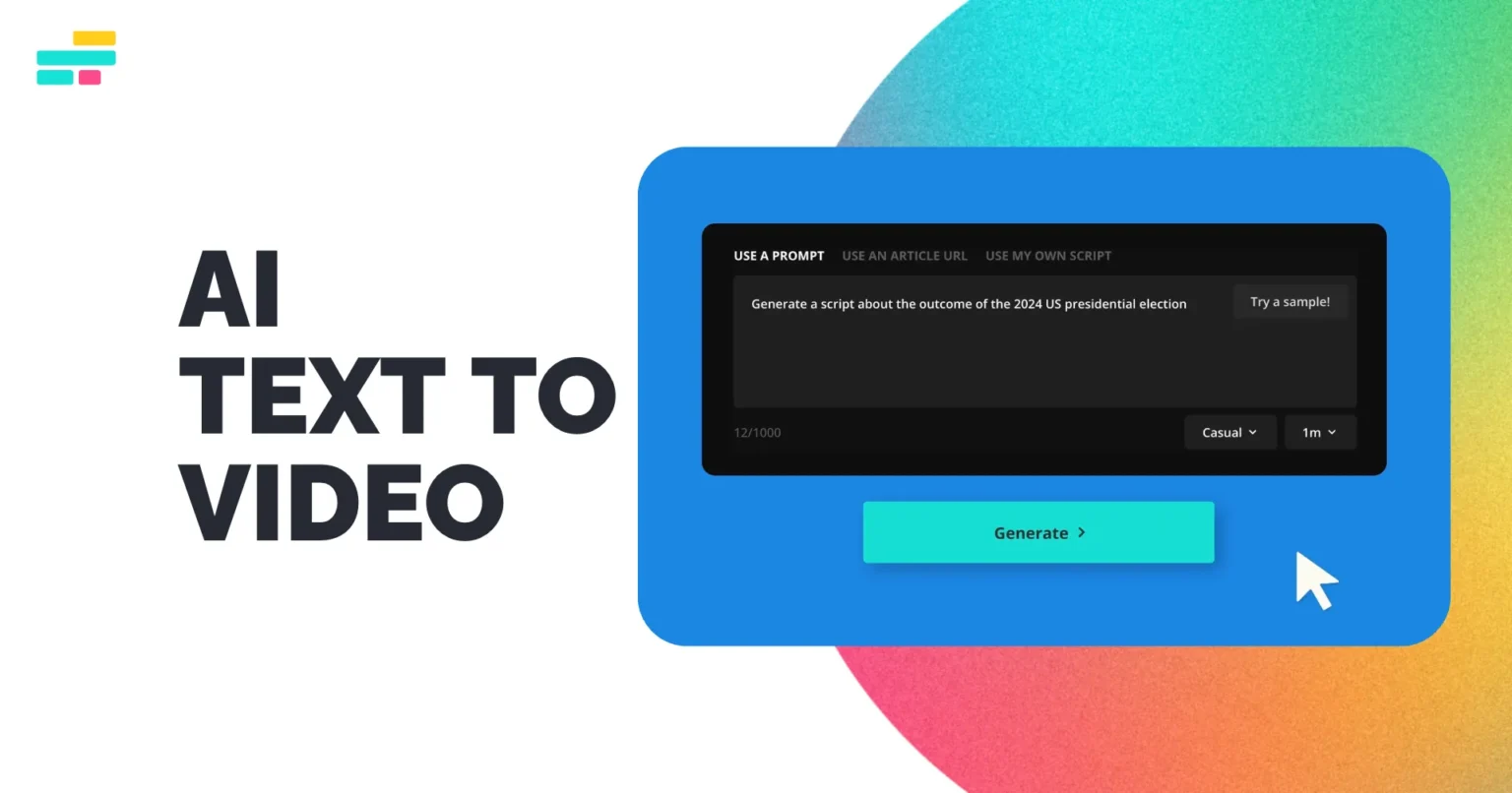
A text to video AI free tool transforms written text into visual video content. Users typically provide a script, article, or short description, and the AI generates a video using stock footage, animations, images, text overlays, and sometimes AI avatars or narration.
At a basic level, these tools rely on natural language processing (NLP) to understand the text and computer vision models to match visuals with the meaning of the content. More advanced tools can generate scenes automatically, select background music, and even simulate human-like presenters.
Free versions of text to video tools usually include:
- Limited video length or resolution
- Watermarks on exported videos
- Restricted templates or avatars
- Daily or monthly usage limits
Despite these limitations, free tools are powerful enough for experimentation, social media content, internal training videos, and educational materials.
How AI Video Translation Works
AI video translation focuses on converting spoken or written content in a video from one language into another. This can involve several different features:
- Automatic speech recognition (ASR) to transcribe audio
- Machine translation to convert text into another language
- Text-to-speech (TTS) to generate voiceovers
- Subtitle generation and synchronization
Some advanced systems also include lip-syncing, where the AI adjusts the speaker’s mouth movements to match the translated audio. While this feature is often restricted in free plans, basic subtitle translation is commonly available.

Free AI video translation tools are especially useful for:
- Making content accessible to global audiences
- Localizing educational or training videos
- Adding subtitles for social media platforms
- Helping non-native speakers understand video content
Benefits of Free AI Text to Video and Translation Tools
One of the biggest advantages of free AI solutions is accessibility. You no longer need a professional video editor, voice actor, or translator to create engaging video content.
Key benefits include:
- Cost Efficiency
Free tools allow individuals and small organizations to produce video content without upfront investment. - Time Savings
AI automates tasks that traditionally took hours or days, such as video editing, transcription, and translation. - Scalability
Once a workflow is set up, users can quickly create multiple videos or translate content into several languages. - Lower Skill Barrier
Most tools are designed with simple interfaces, making them usable even for beginners. - Global Reach
A video translator enables creators to reach international audiences without hiring professional translators.
Common Limitations of Free AI Solutions
While free AI tools are impressive, they are not without drawbacks. Understanding these limitations helps set realistic expectations.
Quality Constraints
Free versions may produce less accurate translations, robotic-sounding voices, or repetitive visuals.
Usage Restrictions
Many tools limit the number of exports, video length, or available languages.
Branding and Watermarks
Most free plans include watermarks, which may not be suitable for professional or commercial use.
Customization Limits
Advanced controls over visuals, voice tone, pacing, and styling are often locked behind paid plans.
Despite these challenges, free tools are more than adequate for learning, testing ideas, and producing non-commercial content.
Practical Use Cases
Free AI text to video and translation tools are being used across many fields:
- Education: Teachers create explainer videos or translate lessons for multilingual classrooms.
- Content Creation: Bloggers turn articles into short videos for social media.
- Marketing: Small businesses produce promo videos or localized ads on a budget.
- Corporate Training: Internal training videos are generated and translated quickly.
- Accessibility: Subtitles and translated audio make content more inclusive.
These use cases highlight how AI is democratizing video production and communication.
Choosing the Right Free Tool
When selecting a free AI solution, it’s important to consider:
- Supported languages
- Export quality and formats
- Ease of use
- Watermark policies
- Data privacy and content ownership
Testing multiple tools is often the best approach, as each platform has different strengths.
The Future of Free AI Video Tools
As AI models continue to improve, free tools are becoming more capable and realistic. What once required expensive software and professional teams can now be done in minutes. While paid tools will always offer more polish and control, free AI solutions are closing the gap faster than ever.
For individuals and organizations looking to explore video creation or multilingual content without financial risk, free AI text to video and video translation tools offer an excellent starting point.