


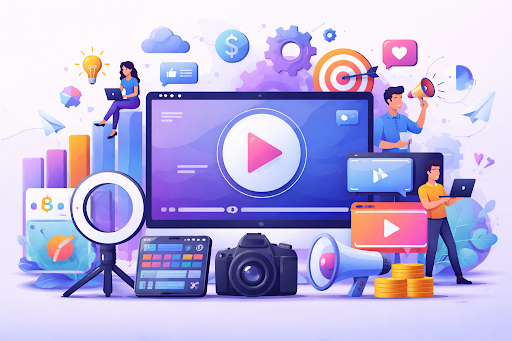
Video marketing continues to be one of the most effective ways for businesses to engage audiences and drive digital growth. As we enter 2026, consumers are increasingly relying on video content across social media, websites, and streaming platforms to discover products, learn about brands, and make purchasing decisions. From short-form clips to in-depth storytelling, video now plays a central role in modern marketing strategies. Businesses that invest in high-quality, well-planned video content can improve brand visibility, strengthen customer trust, and boost conversion rates.
At the same time, rapid advancements in technology are reshaping how videos are created, optimized, and distributed. Artificial intelligence, automation tools, and data analytics are making video production faster, more personalized, and more measurable than ever before. Search engines and social platforms also prioritize video-rich content, making SEO-focused video strategies essential for online success. This guide explores the latest trends, tools, and best practices to help marketers build a strong and future-ready video marketing strategy in 2026.
Understand Your Target Audience and Video Goals
Understanding your target audience is the foundation of a successful video marketing strategy in 2026. Before creating any content, businesses must analyze who their viewers are, what problems they want to solve, and how they consume digital media. This includes studying demographic details such as age, location, interests, and online behavior, as well as identifying preferred platforms like YouTube, Instagram, or LinkedIn. Using audience insights from analytics tools, surveys, and social media data helps marketers create relevant, personalized videos that resonate with viewers and encourage long-term engagement.
Equally important is defining clear and measurable video marketing goals. Whether the objective is to increase brand awareness, generate qualified leads, boost website traffic, or drive conversions, every video should support a specific purpose. Setting SMART goals allows marketers to track performance accurately and refine their strategy over ti
- Aligning video objectives with the customer journey, from awareness to purchase and retention, ensures consistent messaging and stronger results. When audience research and goal-setting work together, video campaigns become more focused, cost-effective, and impactful.
Create High-Quality and Engaging Video Content
Creating high-quality and engaging video content is essential for capturing audience attention and building brand credibility in 2026. Successful videos begin with clear storytelling, where each message is structured to inform, inspire, or solve a specific problem for viewers. Marketers should focus on strong scripting, professional visuals, balanced lighting, and clear audio to enhance production value. Consistent branding elements such as logos, color schemes, and tone of voice also help strengthen brand identity. Additionally, optimizing video length and format for different platforms ensures better viewer retention and higher engagement rates.
Beyond technical quality, engagement depends on how well the content connects with the audience’s needs and emotions. Interactive elements such as polls, questions, captions, and calls-to-action encourage viewers to participate and take the next step. Short-form videos are effective for quick awareness, while long-form content builds trust and authority. Mobile-friendly design, fast loading times, and accessible subtitles further improve user experience.


Leverage AI Video Generators for Faster Production
AI video generators are transforming the way businesses create content by making video production faster, smarter, and more cost-effective. In 2026, marketers can simply enter a creative idea, and advanced tools automatically generate scripts, visuals, voiceovers, subtitles, and background music. Platforms like invideo use artificial intelligence to streamline every stage of production, allowing users to focus more on strategy and messaging. This automation reduces dependency on large production teams while maintaining professional quality, making it easier for brands to publish consistent and engaging videos across multiple platforms.
Beyond speed, AI-powered tools also improve personalization and scalability. Marketers can customize videos for different audience segments, languages, and campaign goals without starting from scratch. These platforms analyze user preferences and performance data to suggest better formats and styles. As a modern video maker app, AI-driven solutions help businesses test ideas quickly, repurpose content efficiently, and adapt to changing trends.
Optimize Videos for SEO and Platform Algorithms
Optimizing videos for search engines and platform algorithms is essential for increasing visibility and attracting organic traffic in 2026. Marketers should begin by conducting keyword research to identify relevant search terms related to their niche. These keywords should be naturally included in video titles, descriptions, tags, and file names to improve search rankings. Adding accurate transcripts and captions also helps search engines understand video content while improving accessibility for viewers. Well-designed thumbnails with clear visuals and compelling text further enhance click-through rates and encourage users to watch.
In addition to traditional SEO practices, understanding how platform algorithms work is equally important. Social media and video-sharing platforms prioritize content that generates strong engagement, such as likes, shares, comments, and longer watch times. Creating content that captures attention in the first few seconds can significantly improve retention. Consistent posting schedules, audience interaction, and performance analysis also signal content quality to algorithms.
Distribute and Promote Videos Across Multiple Channels
Effective video marketing in 2026 requires a well-planned distribution strategy that reaches audiences across multiple digital platforms. Businesses should identify where their target audience spends the most time, such as YouTube, Instagram, LinkedIn, TikTok, and brand websites, and tailor content accordingly. Each platform has unique format requirements, video lengths, and audience expectations, making customization essential. Repurposing long-form videos into short clips, reels, and highlights helps maximize reach and extend content lifespan. Embedding videos in blog posts and landing pages also improves SEO performance and increases user engagement.
Promotion plays an equally important role in improving video visibility and performance. Marketers should leverage email campaigns, social media scheduling tools, and influencer partnerships to expand their reach. Paid advertising options, such as sponsored posts and video ads, can further boost exposure among targeted audiences. Encouraging viewers to share content and engage through comments strengthens organic distribution.
Track Performance and Improve with Data Analytics
Tracking video performance through data analytics is essential for measuring success and refining marketing strategies in 2026. Businesses should monitor key metrics such as views, watch time, audience retention, engagement rate, click-through rate, and conversion rate to understand how viewers interact with their content. These insights help identify which videos generate the most interest and which need improvement. Tools like Google Analytics, platform dashboards, and AI-powered reporting systems provide detailed information about audience behavior, traffic sources, and viewing patterns, enabling marketers to make informed, data-driven decisions.
Beyond basic metrics, advanced analytics allows marketers to optimize content for long-term growth. A/B testing different thumbnails, titles, formats, and calls-to-action helps determine what resonates best with viewers. Heatmaps and drop-off analysis reveal where audiences lose interest, guiding improvements in storytelling and pacing. Regular performance reviews also support better content planning and budget allocation.
Conclusion
Video marketing in 2026 is driven by innovation, data, and audience-focused strategies. By understanding your viewers, creating engaging content, leveraging AI tools, optimizing for SEO, distributing across multiple channels, and tracking performance, businesses can build a strong and sustainable video presence. Adopting a structured and data-driven approach not only improves visibility but also enhances customer trust and conversions. As digital platforms continue to evolve, brands that stay adaptable and invest in smart video marketing practices will be best positioned for long-term growth and success.