

Navigating the world of property management can feel like a maze, especially when it comes to legal compliance. If you own a rental property, securing professional Landlord Certificate Services isn’t just a “good idea”—it is a legal mandate that ensures the safety of your tenants and the security of your investment. From gas safety to electrical inspections, staying ahead of these requirements protects you from hefty fines and, more importantly, prevents life-threatening accidents.
- What Are Landlord Certificate Services?
- Gas Safety Certificates (CP12): A Yearly Necessity
- Electrical Installation Condition Reports (EICR)
- Energy Performance Certificates (EPC) and Efficiency
- Fire Safety and Legionella Risk Assessments
- The Benefits of Using Professional Landlord Certificate Services
- How to Choose the Right Service Provider
- Cost vs. Value: Investing in Compliance
- Recent Legislative Changes to Watch
- Conclusion: Take Action Today
- Frequently Asked Questions (FAQs)
In this comprehensive guide, we will break down everything you need to know about the various certificates required in the modern rental market, why they matter, and how to choose the right providers to keep your portfolio running smoothly.
What Are Landlord Certificate Services?
At its core, Landlord Certificate Services refer to the professional inspections and subsequent documentation required to prove a rental property meets specific UK safety standards. These services are typically carried out by certified engineers, electricians, and energy assessors.
The goal is simple: to verify that the living environment is fit for human habitation. Whether it’s a studio apartment or a large HMO (House in Multiple Occupation), these certificates act as a “health check” for the building’s vital systems.
The Core Pillars of Compliance
Most landlords will require a combination of three primary certificates:
-
Gas Safety Certificates (CP12)
-
Electrical Installation Condition Reports (EICR)
-
Energy Performance Certificates (EPC)
While each serves a different purpose, they collectively form the safety net that allows you to rent your property legally.
Gas Safety Certificates (CP12): A Yearly Necessity
One of the most critical aspects of Landlord Certificate Services is the annual gas safety check. In the UK, the Gas Safety (Installation and Use) Regulations 1998 demand that all gas appliances, fittings, and flues provided for tenants are checked every 12 months.
Why It Matters
Carbon monoxide is a silent killer. It is tasteless, colorless, and odorless. A Gas Safe registered engineer will inspect your boilers, hobs, and fireplaces to ensure they are burning fuel correctly and exhausting fumes safely outside.



What the Inspection Includes
During a standard visit, the engineer will:
-
Check appliances for gas tightness.
-
Verify that standing and working pressure is correct.
-
Ensure there is adequate ventilation for all appliances.
-
Test safety devices to ensure they function during a failure.
Once completed, you receive your CP12 certificate. You must provide a copy to existing tenants within 28 days of the check or to new tenants before they move in.
Electrical Installation Condition Reports (EICR)
In recent years, electrical safety laws have tightened significantly. Landlord Certificate Services now prioritize the EICR, which must be performed at least every five years.
Understanding the EICR
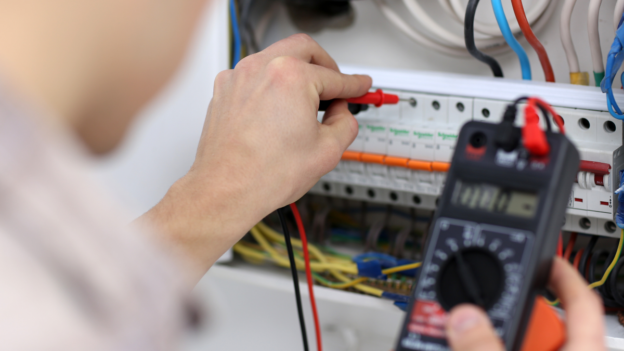
Unlike a simple visual check, an EICR is an in-depth assessment of the “fixed” electrical parts of the property. This includes the wiring, the consumer unit (fuse box), and all the sockets and light fittings.
Common Issues Found
-
Overloaded circuits: Which can lead to overheating and fires.
-
Lack of Earthing: Which poses a severe risk of electric shock.
-
General Wear and Tear: Cables can degrade over time, especially in older properties.
If the report comes back as “Unsatisfactory,” you have a legal obligation to carry out remedial work within 28 days to bring the property up to standard.
Energy Performance Certificates (EPC) and Efficiency
An EPC measures the energy efficiency of your property on a scale from A (most efficient) to G (least efficient). Under current regulations, most rental properties must have a minimum rating of E to be legally let.
Why Efficiency is the Future
While the EPC is primarily about the environment and energy costs, it is a vital part of Landlord Certificate Services. Tenants are increasingly looking for properties with higher ratings to save on utility bills. Furthermore, the government frequently discusses raising the minimum requirement to a ‘C’ rating in the coming years.
Improving Your Rating
If your property is lagging, consider:
-
Installing LED lighting.
-
Adding loft or cavity wall insulation.
-
Upgrading to a modern, condensing boiler.
-
Installing double-glazed windows.
Fire Safety and Legionella Risk Assessments
While gas and electric get the most attention, fire safety and water hygiene are equally important components of high-quality Landlord Certificate Services.
Fire Safety Regulations
Landlords must ensure that smoke alarms are installed on every floor and carbon monoxide alarms are in any room with a solid fuel-burning appliance. For HMOs, the rules are even stricter, requiring fire doors and marked escape routes.
Legionella Risk Assessment
Legionella is a bacteria that can cause Legionnaires’ disease, a severe form of pneumonia. While a formal “certificate” isn’t always required by local councils, a written risk assessment is a legal requirement. You must ensure the water system is maintained to prevent the stagnation of water where bacteria could grow.
The Benefits of Using Professional Landlord Certificate Services
Attempting to manage these inspections individually can be a logistical nightmare. This is where dedicated Landlord Certificate Services providers offer immense value.
1. Legal Protection
If a fire or accident occurs and you do not have valid certificates, your insurance will likely be void. More importantly, you could face criminal prosecution. Professional services ensure no deadline is missed.
2. Streamlined Management
Top-tier service providers offer “bundle packages.” Instead of booking an electrician on Monday and a gas engineer on Friday, you can often have one company handle all inspections in a single visit, reducing disruption for your tenants.
3. Automated Renewals
Many Landlord Certificate Services platforms now use digital tracking. They will alert you months in advance when a certificate is about to expire, ensuring you never fall out of compliance.
How to Choose the Right Service Provider
Not all Landlord Certificate Services are created equal. When selecting a partner to manage your property’s safety, consider the following criteria:
-
Accreditations: Ensure gas engineers are on the Gas Safe Register and electricians are registered with bodies like NICEIC or NAPIT.
-
Transparent Pricing: Avoid “hidden fees.” A good provider will offer a flat rate for a standard inspection.
-
Fast Turnaround: In the rental world, time is money. You need a provider that can issue digital certificates within 24–48 hours of the inspection.
-
Local Knowledge: Providers who understand local council licensing requirements (especially for HMOs) are invaluable.
Cost vs. Value: Investing in Compliance
It is tempting to look for the cheapest possible Landlord Certificate Services, but this can be a false economy. A “cheap” EICR might be a rushed visual inspection that misses a major fault, leading to expensive emergency repairs later.
Think of these certificates as an investment in property longevity. Regular inspections catch minor issues—like a small leak or a loose wire—before they turn into catastrophic failures that require thousands of pounds to fix.
Recent Legislative Changes to Watch
The landscape of rental law is constantly shifting. Staying informed is a key part of using Landlord Certificate Services effectively.
-
The Renters’ Reform Bill: This legislation aims to improve housing standards across the board. It may introduce a “Decent Homes Standard” for the private sector, making safety certificates even more critical.
-
Mandatory Smoke Alarms: Recent updates have expanded the requirement for carbon monoxide alarms to include rooms with gas boilers, not just solid fuel burners.
Conclusion: Take Action Today
Managing a rental property is a significant responsibility. By utilizing professional Landlord Certificate Services, you move from a reactive “fixing things when they break” mindset to a proactive, professional management style. You protect your tenants, your finances, and your reputation.
Don’t wait for a “Notice to Improve” from the council or a call from an angry tenant. Audit your current documents today, check your expiry dates, and book a certified professional to ensure your property remains a safe, legal, and profitable asset.
Frequently Asked Questions (FAQs)
1. How often do I need to renew my Landlord Certificate Services?
The frequency depends on the specific certificate. Gas Safety Certificates must be renewed every 12 months. The EICR (Electrical) is generally required every 5 years, and an EPC is valid for 10 years. However, if you make significant changes to the property (like a renovation), you should update your EPC or EICR sooner.
2. Can I carry out these safety checks myself?
No. Unless you are a Gas Safe registered engineer or a qualified electrician with the proper accreditation, you cannot legally issue these certificates. Using Landlord Certificate Services ensures the person signing the document is legally recognized and insured to perform the task.
3. What happens if I don’t have a valid Gas Safety Certificate?
The penalties are severe. You can face unlimited fines, and in cases of extreme negligence leading to injury or death, you could face imprisonment. Additionally, without a valid certificate, you cannot serve a Section 21 notice to regain possession of your property.
4. Do I need these certificates for a short-term let or Airbnb?
Yes. If you are receiving payment for someone to stay in your property, you are technically a landlord. While some specific rules vary for “holiday lets,” the core requirements for gas and electrical safety still apply to ensure guest safety and maintain insurance coverage.
5. My tenant won’t let the engineer in. What should I do?
Landlords have a “duty of care.” If a tenant refuses entry for essential Landlord Certificate Services, you must show that you have taken all reasonable steps to comply. Document all your communication (emails, letters, and texts) and, if necessary, seek legal advice to gain access for these mandatory safety checks.