


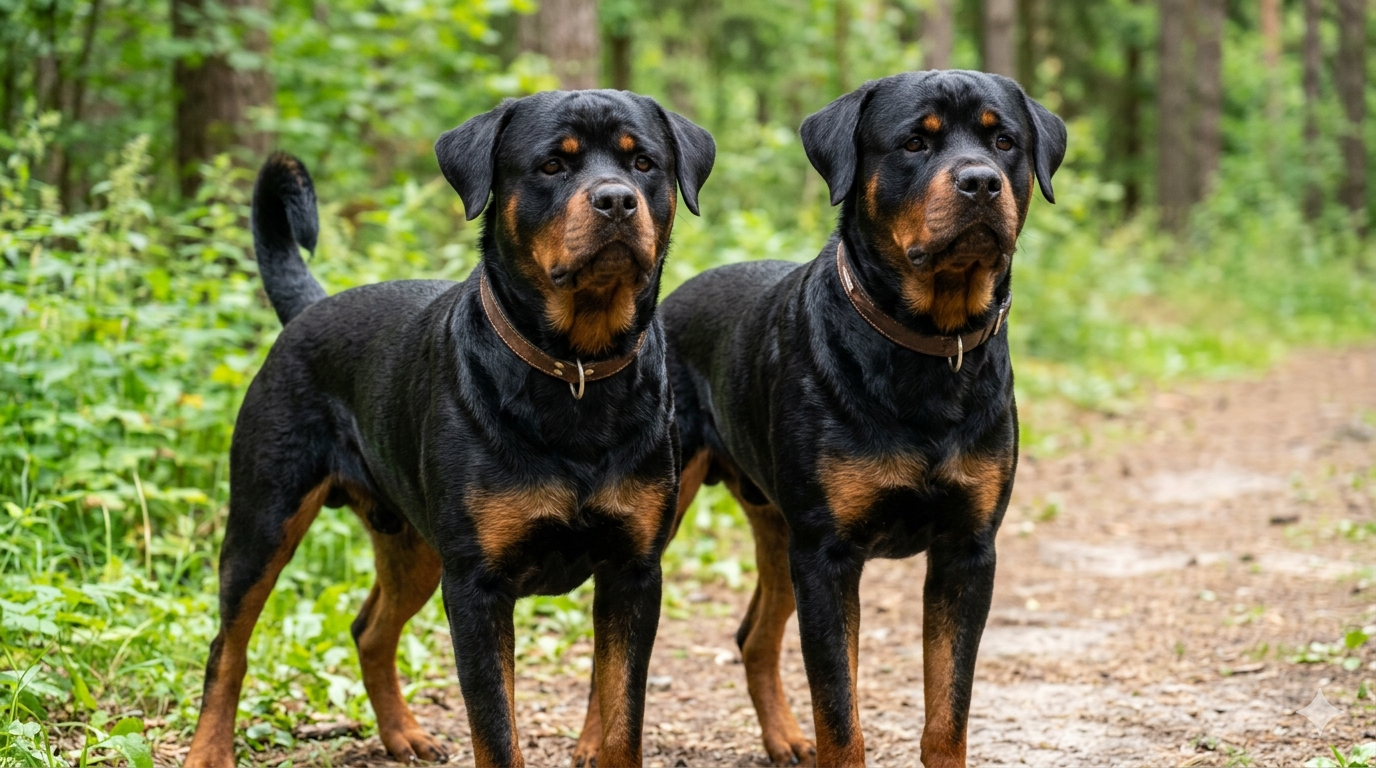
Rottweilers are often misunderstood by those who only see their imposing silhouettes and hear the myths surrounding their temperament. In reality, these dogs are among the most loyal, intelligent, and deeply affectionate companions in the canine world. To own one is to enter a partnership with a powerful guardian that requires a steady hand, a kind heart, and a commitment to lifelong training.
- The Ancient Origins and History of Rottweilers
- Understanding the True Temperament of Rottweilers
- Physical Standards and Appearance
- The Essential Role of Socialization for Rottweilers
- Training Strategies for a Working Breed
- Health Concerns and Longevity
- Diet and Nutritional Requirements for Rottweilers
- Living with Rottweilers: Home Life and Environment
- Grooming and Maintenance Tips
- The Legalities and Responsibilities of Ownership
- Conclusion: Is the Rottweiler Right for You?
- Frequently Asked Questions (FAQs)
In this extensive guide, we will explore why Rottweilers have remained a favorite for families and working professionals alike for centuries. We will delve into their ancient Roman roots, their physical requirements, and the specific care needed to ensure they live a long, healthy life. Whether you are a first-time owner or a seasoned handler, understanding the nuances of this breed is the first step toward a rewarding relationship.
The Ancient Origins and History of Rottweilers
The story of the breed begins more than two thousand years ago with the Roman Empire. As the Roman legions marched across Europe, they required a way to herd and protect the livestock that served as their food supply. The ancestors of modern Rottweilers were rugged drover dogs, capable of moving massive herds across the treacherous terrain of the Alps while guarding against predators and thieves.
Eventually, these dogs settled in the German region of Rottweil, which became a thriving hub for livestock trading. Local butchers and cattle merchants began using these dogs to pull carts laden with meat and to protect their earnings on the way home from the market. Because of this specific role, the breed became known as the “Rottweil Butcher’s Dog” (Rottweiler Metzgerhund).
The advent of the railroad in the mid-19th century nearly drove the breed to extinction, as cattle driving was outlawed. However, the breed’s incredible work ethic was rediscovered during World War I and World War II. Their courage and intelligence made them ideal police and military dogs, roles they continue to excel in today.
Understanding the True Temperament of Rottweilers
There is a common misconception that Rottweilers are naturally aggressive. This could not be further from the truth when looking at a well-bred and properly socialized individual. A typical representative of the breed is a “wait-and-see” dog—they are observant, calm, and rarely react without a reason.
One of the most endearing traits of Rottweilers is their “Velcro dog” personality. Despite their size, they often believe they are lap dogs and will lean against their owners’ legs to show affection. They are deeply bonded to their family and can be quite sensitive to the emotions of their human companions.
-
Confidence: They move with a quiet self-assurance that doesn’t require constant barking.
-
Discrimination: A mature dog can distinguish between a friendly guest and a genuine threat.
-
Playfulness: Beneath the serious exterior lies a goofy, fun-loving side that loves a good game of fetch.
Physical Standards and Appearance
When you look at Rottweilers, the first thing you notice is their immense strength. They are medium-to-large dogs with a muscular, compact frame that suggests both power and agility. There is no wasted space in their build; every muscle serves a purpose.

The coat is always black with clearly defined rust or mahogany markings. These markings appear on the cheeks, muzzle, throat, chest, and legs, as well as over both eyes. Their double coat is short and dense, designed to protect them from harsh weather conditions during long days of work.
Male Rottweilers typically stand between 24 and 27 inches at the shoulder and weigh between 95 and 135 pounds. Females are slightly smaller, standing 22 to 25 inches and weighing between 80 and 100 pounds. Despite their bulk, they should never appear clumsy or lethargic; they are athletes through and through.
The Essential Role of Socialization for Rottweilers
Socialization is not optional when it comes to Rottweilers. Because they possess a natural guarding instinct, they must be taught from a very young age how to interact with the world around them. This means exposing a puppy to different sights, sounds, textures, and people in a positive and controlled manner.
A puppy that is sheltered from the world may grow up to be fearful or overly suspicious. In a dog this strong, fear can manifest as defensive aggression. Enrolling in “puppy kindergarten” and visiting dog-friendly parks are excellent ways to build their confidence.
The goal of socialization is to create a neutral dog. You want your dog to be able to walk through a crowded street or visit a veterinarian without becoming overly excited or anxious. A well-socialized member of the breed is a credit to the community and a joy to live with.
Training Strategies for a Working Breed
Training Rottweilers requires a specific approach that balances firmness with positive reinforcement. These are highly intelligent animals that will quickly take over the household if they sense a lack of leadership. However, they do not respond well to harsh corrections or physical punishment.
Focus on reward-based training. Use high-value treats and praise to reinforce the behaviors you want to see. Because they were bred to work, they thrive when they have a job to do. Whether it’s advanced obedience, agility, or scent work, keeping their minds busy prevents boredom-related destructive behavior.
-
Start Early: Begin basic commands like “sit” and “stay” the day you bring your puppy home.
-
Consistency is Key: Ensure every member of the family uses the same commands and follows the same rules.
-
Leash Manners: Given their strength, teaching your dog to walk on a loose lead is vital before they reach 100 pounds.
Health Concerns and Longevity
While generally robust, Rottweilers are prone to certain genetic health conditions that every owner should be aware of. The average lifespan is typically between 8 and 10 years, though some well-cared-for dogs live longer.
Hip and elbow dysplasia are common in large breeds. This occurs when the joints do not fit together perfectly, eventually leading to arthritis. Always ask a breeder for hip and elbow clearances from the Orthopedic Foundation for Animals (OFA).
Another critical health concern is Gastric Dilatation-Volvulus (GDV), or bloat. This is a life-threatening condition where the stomach twists. To prevent this, avoid vigorous exercise for an hour after eating and consider using a “slow feeder” bowl to prevent your dog from gulping down their food too quickly.
Diet and Nutritional Requirements for Rottweilers
Feeding Rottweilers requires a careful balance of calories and nutrients. Because they are prone to obesity, which can devastate their joints, maintaining a lean body weight is essential. You should be able to feel your dog’s ribs without a thick layer of fat, and they should have a visible waistline when viewed from above.
A high-quality protein source is the foundation of their diet. Many owners choose grain-free options, but recent studies suggest that a balanced diet including healthy grains may be better for heart health in this breed. Always consult with your veterinarian to tailor a diet to your dog’s specific age and activity level.
-
Puppy Nutrition: Look for large-breed puppy formulas that encourage slow, steady growth.
-
Hydration: Always provide access to clean, fresh water, especially during the summer months.
-
Treats: Limit treats to no more than 10% of their total daily caloric intake.
Living with Rottweilers: Home Life and Environment
Can Rottweilers live in an apartment? Yes, provided they receive enough exercise. However, they are most comfortable in a home with a fenced yard where they can patrol and play. They are surprisingly low-energy indoors, often content to nap at your feet while you work.
They are excellent family dogs and are known for being very patient with children. However, due to their size, they can accidentally knock over a small child. Supervision is always required when dogs and children interact. Teaching children how to respect the dog’s space is just as important as training the dog.
One thing to consider is the “Rottie Lean.” If you are standing still, don’t be surprised if your dog leans their full weight against your shins. It is a sign of affection and a way for them to stay physically connected to their favorite human.
Grooming and Maintenance Tips
Fortunately, grooming Rottweilers is a relatively simple task. Their short, coarse coat doesn’t mat, but they do shed more than you might expect, especially during the change of seasons. A weekly brushing with a firm bristle brush or a rubber grooming mitt will keep their coat shiny and minimize hair in your home.
Dental hygiene is often overlooked but is crucial for preventing systemic health issues. Brush their teeth several times a week with dog-specific toothpaste. Additionally, keep an eye on their nails; if you can hear them clicking on the floor, it’s time for a trim.
-
Ear Care: Check their ears weekly for redness or a bad odor, which can indicate an infection.
-
Bathing: They only need a bath once every few months unless they get particularly muddy.
-
Paw Pad Inspection: Check their feet regularly for cracks or burrs, especially after walks in rough terrain.
The Legalities and Responsibilities of Ownership
In some regions, Rottweilers are subject to Breed-Specific Legislation (BSL). This means you may face restrictions on where you can live or be required to carry additional liability insurance. It is an unfortunate reality based on the actions of irresponsible owners rather than the dogs themselves.
As an owner, you become an ambassador for the breed. Having a well-behaved, socialized dog helps dispel the myths and proves that these animals are valuable members of society. Always follow local leash laws and be mindful of people who may be afraid of large dogs.
Conclusion: Is the Rottweiler Right for You?
Choosing to bring one of these magnificent animals into your life is a major commitment. Rottweilers are not “set it and forget it” pets. They require time, financial investment for high-quality food and vet care, and a deep emotional bond. However, the reward for this effort is a level of devotion that is hard to find in any other breed.
If you are looking for a dog that is as smart as it is strong, and as affectionate as it is brave, the search ends here. By focusing on early socialization, consistent training, and proper health management, you will find that Rottweilers are truly one of the crown jewels of the canine world.
Frequently Asked Questions (FAQs)
1. Are Rottweilers good with other dogs? Yes, they can be, especially if they are raised with them. However, some can be dominant with dogs of the same sex. Early socialization and neutral introductions are key to ensuring they get along with other household pets.
2. How much exercise do Rottweilers need daily? Most adults require about 1 to 2 hours of exercise per day. This should include a mix of brisk walking and mental stimulation. They love hiking and can be great jogging partners once their joints are fully developed (usually after age two).
3. Do they shed a lot? They are moderate shedders year-round, with heavier shedding periods in the spring and fall. Regular brushing significantly reduces the amount of hair found on furniture and clothes, but you should expect to use your vacuum regularly.
4. Are they difficult to train? They are highly trainable because they are eager to please and very smart. However, they can be stubborn if they don’t see the point of a command. They require a confident handler who uses positive, consistent methods rather than force.
5. Why do Rottweilers lean on people? The “Rottie Lean” is a famous breed trait! It is an expression of affection and trust. They want to be as close to you as possible, and leaning against you is their way of saying, “I’m here, and you’re mine.”