


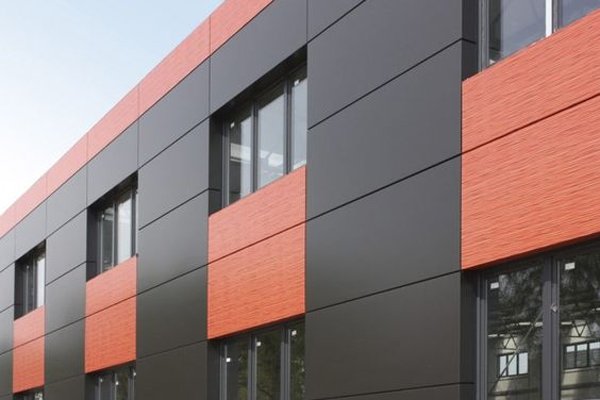
You need suppliers who deliver consistent quality, clear specifications, and reliable timelines so your project stays on budget and meets building codes. Choose suppliers that offer certified aluminum composite panels with fire-rated cores, consistent finishes, and dependable lead times to avoid costly delays and compliance issues.
- Key Considerations When Choosing Aluminum Composite Panel Suppliers
- Product Quality Standards
- Supplier Certifications and Compliance
- Material Selection and Customization Options
- Pricing and Cost Transparency
- How to Evaluate and Partner With Reliable Aluminum Composite Panel Suppliers
- Reputation in the Industry
- Delivery Capabilities and Logistics
- Customer Support and After-Sales Service
- Sustainability and Environmental Practices
This article Aluminum Composite Panel Suppliers guides your choice by explaining key considerations—material construction, fire performance, finishes, and supplier services—and shows how to evaluate and partner with reliable manufacturers and wholesalers. You’ll learn practical steps to compare quotes, verify certifications, and set expectations for delivery and installation.
Key Considerations When Choosing Aluminum Composite Panel Suppliers
Focus on measurable product attributes, documented compliance, the range of core and finish materials, and transparent pricing structures. These factors determine long-term performance, site safety, and lifecycle cost for your façade or interior project.
Product Quality Standards
You should verify manufacturing tolerances, coating performance, and core integrity before committing to a supplier. Ask for test reports showing dimensional tolerances, flatness, and edge quality to ensure panels fit tight design joints and maintain clean sightlines.
Request documented coating tests such as ASTM D3359 (adhesion), ASTM D523 (gloss), and accelerated weathering (e.g., QUV) for painted or PVDF finishes. Confirm core material tests for density, bonding strength, and fire performance relevant to your code requirements.
Inspect sample panels for consistent color, finish texture, and return leg squareness. Require a written defect acceptance threshold and a sample-based inspection protocol to reduce the risk of on-site rejection.
Supplier Certifications and Compliance
You must prioritize suppliers with verifiable certifications tied to your project location and risk profile. Look for ISO 9001 for quality management and, where applicable, ISO 14001 for environmental management to show consistent production controls.
For fire-sensitive applications, ask for third-party test certificates such as EN 13501-1, NFPA 285, or ASTM E84 depending on jurisdiction. Ensure certificates reference the exact product code, finish, and core composition you intend to use.


Confirm regulatory compliance by requesting conformity letters for REACH, RoHS, or local product registration. Keep copies of traceability documentation that link shipped batches to tested samples and certifications.
Material Selection and Customization Options
Decide on core type (e.g., polyethylene, fire-retardant mineral, or A2 non-combustible) based on building code and exposure risk. Specify thicknesses—commonly 3mm composite panels with 0.5mm aluminum skins—but confirm what your supplier stocks or can produce.
Discuss finish options—PVDF, polyester, anodized, or custom laminates—and request sample panels in your color and gloss to check batch consistency. Ask about available substrate alloys (e.g., 3000 vs 5000 series) because alloy affects corrosion resistance and formability.
Confirm supplier capabilities for custom sizes, routing, radii, and pre-punched attachment patterns. Require lead-time estimates for custom runs and minimum order quantities so you can plan procurement and staging.
Pricing and Cost Transparency
Insist on itemized quotes that separate material, finishing, fabrication, packaging, transport, and warranty costs. Compare unit prices alongside expressed coverage area (m²) and net usable panel dimensions to avoid hidden cost differences.
Ask about variance pricing for custom colors, special alloys, or tight-tolerance fabrication. Confirm freight terms (DAP, CIF, FOB) and any surcharges for fuel, expedited orders, or small-lot runs.
Obtain written warranty terms and clearly stated exclusions. Factor in expected maintenance, replacement cost per damaged panel, and supplier-supported logistics for returns when evaluating total ownership cost.
How to Evaluate and Partner With Reliable Aluminum Composite Panel Suppliers
Focus on measurable evidence: certifications, test reports, delivery track record, documented warranty terms, and verifiable sustainability claims. Prioritize suppliers that match your project scale, technical specs, and timeline.
Reputation in the Industry
Check third-party certifications and client references before you engage. Look for ISO 9001, fire-performance test reports (e.g., EN 13501-1, ASTM E84), and supplier listings on recognized industry directories. These documents prove process control and material compliance.
Request at least three recent project references with contactable owners, architects, or façade contractors. Ask about on-site performance, response to defects, and whether supplied panels matched samples and shop drawings. Verify any awards or press mentions by contacting the issuing organization.
Scan dispute histories: open litigation, large recalls, or public safety bulletins signal risk. Use trade associations and local building authorities to confirm the supplier’s standing in your market.
Delivery Capabilities and Logistics
Confirm factory capacity relative to your order size and peak-season load. Ask for lead times, daily production rates, and a sample production schedule that maps raw-material receipt through final inspection. Short, clear timelines reduce schedule risk.
Detail freight and handling plans in the contract: packaging type, pallet dimensions, and protective film specs. Specify delivery milestones tied to payment and retention clauses. If you use multiple sites, confirm cross-docking or split-shipment capabilities.
Review the supplier’s contingency plans for raw-material shortages, port disruptions, or production downtime. Require a named backup source for cores or aluminum skins and documented historical on-time delivery (OTD) percentages for the prior 12 months.
Customer Support and After-Sales Service
Require written warranty terms covering delamination, color fading, and fire performance, plus a defined claims process and response SLA. A 24–72 hour acknowledgement window for defects and a 7–14 day corrective-action timeline are reasonable benchmarks.
Ask about technical support resources: accessibility of an in-house engineer, availability of shop-drawing reviews, and on-site mock-up assistance. Verify training options for installers and whether the supplier issues installation manuals tied to their panels.
Check spare-part policies and lead times for replacements. Ensure the contract states who pays for removal and reinstallation if a panel fails due to manufacturing defect. Track record of honoring warranties on past projects is a strong predictor of future support.
Sustainability and Environmental Practices
Request material declarations (e.g., EPDs) and proof of recycled-content percentages for both aluminum skins and core materials. Confirm compliance with local environmental regulations and any green-building standards you target (LEED, BREEAM).
Audit the supplier’s waste management and emissions controls. Ask for documentation of scrap recycling rates, VOC controls in coating lines, and hazardous-waste handling procedures. These records reduce regulatory and reputational risk.
Evaluate lifecycle claims critically. Require lab reports for recyclability and long-term performance rather than marketing statements. If low-carbon aluminum is important, ask for supplier-specific carbon-intensity data for the primary aluminum used in your panels.