


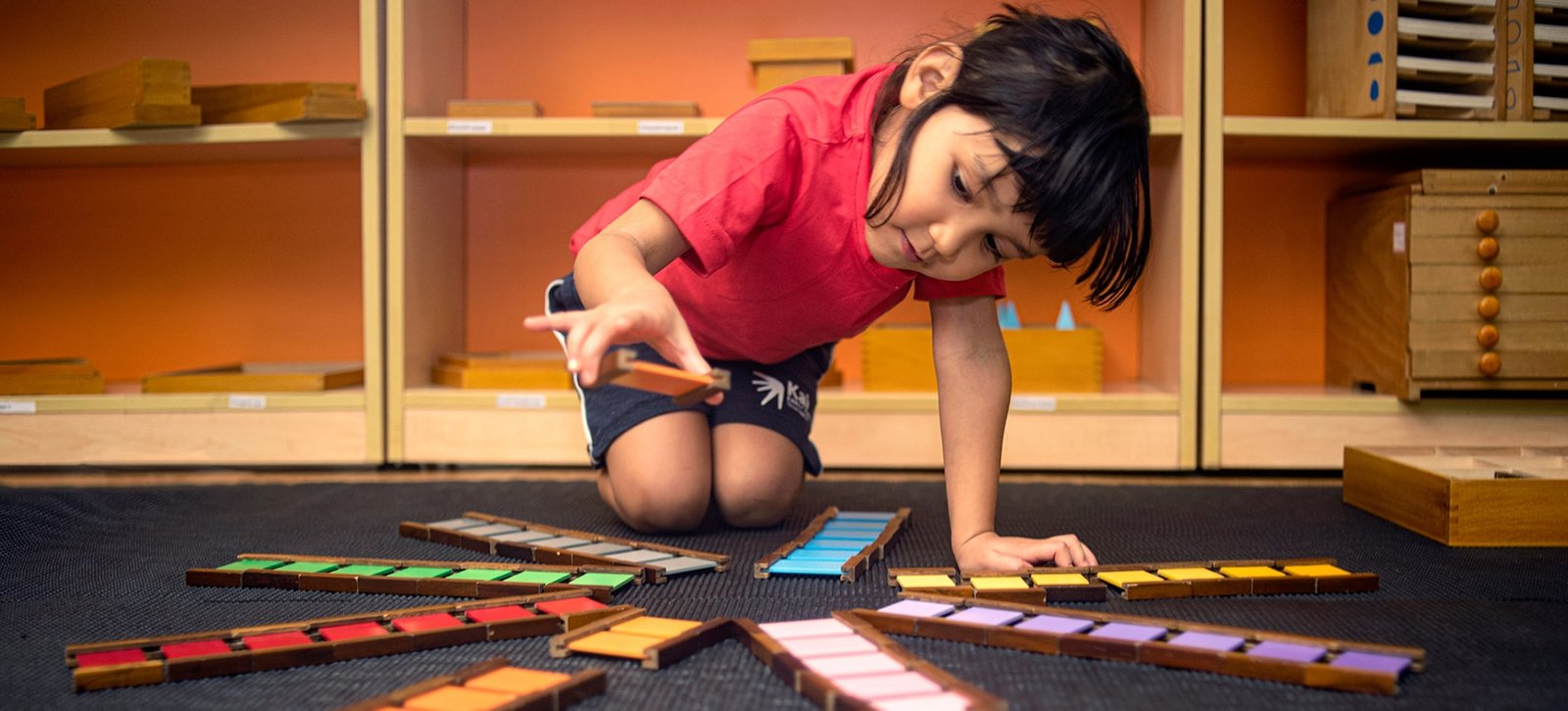
Choosing the best preschool in Whitefield shapes your child’s early learning and comfort. Look for programs that balance skilled teachers, safe facilities, and play-based, holistic curricula—those factors most consistently signal the best preschools in the area.
You’ll find options from Montessori and IB-inspired settings to playgroups and daycare-style campuses, so this article highlights what matters most: teacher quality, campus safety, learning approach, and child-centered routines.
Use the upcoming sections to compare practical features and ask targeted questions during visits so you can pick a preschool that fits your child’s needs and your family’s priorities.
Why Choose the Best Preschool in Whitefield?
Choosing a preschool in Whitefield affects your child’s daily learning, social habits, and early literacy. Look for programs that balance play-based exploration, measurable learning goals, and strict safety practices.
Academic Curriculum and Learning Approach
You should expect a curriculum that blends play-based learning with structured early literacy and numeracy foundations. Good preschools in Whitefield use activity-centred lessons, circle time for language skills, story-based phonics introduction, and hands-on counting activities to build number sense. They also schedule short focused sessions (10–20 minutes) matched to attention spans, plus free-play periods that develop creativity and motor skills.
Check whether the school maps outcomes to age-appropriate milestones—vocabulary targets for 3–4 year olds, pre-writing strokes for 4–5 year olds, and simple problem-solving tasks. Inquiry projects and thematic units (seasonal themes, community helpers) help connect concepts across language, math, and environmental awareness. Also confirm if the preschool provides regular progress reports and sample activity plans so you can track what your child practices at school.
Qualified and Experienced Staff
You need teachers who hold early childhood qualifications and demonstrate practical classroom experience. Look for staff with diplomas or degrees in Early Childhood Education (ECE) or related fields, plus ongoing professional development in child development, inclusive practices, and first aid. Experienced teachers will use observation-based assessments and adapt activities for different learning levels within the same classroom.
Good preschools maintain low student-to-teacher ratios (ideally 1:10 or lower for KG levels) so staff can give individual attention. Ask about teacher turnover—consistent caregivers build secure attachments and smoother transitions. Also confirm whether the school includes specialized staff (speech therapist, counselor, special educator) or routines for identifying and supporting developmental concerns early.
Safety and Security Measures
You should prioritize preschools that enforce layered safety controls on campus and during transit. Essential measures include CCTV coverage in common areas, secure entry/exit with biometric or staff-monitored gates, and visitor logs. Classrooms must be childproofed: rounded furniture, covered sockets, non-toxic materials, and clear evacuation routes.
Health protocols matter: daily health checks, trained staff for first aid, routine sanitization, and clear policies for illness and medication. If the school offers transport, verify GPS-enabled buses, driver screening, assistant present on board, and fixed pickup/drop points. Finally, confirm emergency preparedness—regular fire drills, documented emergency plans, and communication systems to notify you promptly.
Key Features and Facilities of Top Preschools in Whitefield
You will find preschools that prioritize safe, well-equipped spaces, active play and varied enrichment, and regular, transparent communication with parents. Expect modern classrooms, designated play zones, and structured parent engagement systems.
Infrastructure and Classrooms
Look for classrooms sized for small groups (12–20 children) with low shelves, child-sized furniture, and clear sightlines to aid supervision. Many Whitefield preschools use modular learning corners—literacy, numeracy, sensory, and art—so children move between focused activities throughout the day.
Sanitation and safety matter: washable floors, rounded-edge fittings, CCTV in common areas, and separate nap rooms for infants are common. Check for well-ventilated rooms, natural light, and temperature control to support comfort and concentration. Materials should be age-appropriate and rotated regularly to sustain curiosity.
Teachers typically display lesson plans and learning outcomes on classroom boards. You should also verify teacher-to-child ratios and staff qualifications—look for early childhood certification and first-aid training.
Play Area and Extracurricular Activities
Outdoor play areas should include soft-fall surfaces, climbing structures, tricycles, and shaded zones to protect children from sun exposure. Indoor activity zones often feature sensory tables, construction blocks, and quiet reading nooks to balance gross-motor and fine-motor development.
Preschools in Whitefield commonly schedule daily outdoor play, music and movement sessions, and art workshops. Many offer optional add-ons like dance, basic swimming, and yoga delivered by external specialists. These activities reinforce social skills, coordination, and self-regulation.
Review the activity timetable to ensure free-play periods remain part of the day. Ask how seasonal outdoor play is adapted during monsoon months and whether equipment is routinely inspected and maintained.
Parent Engagement and Communication
Expect structured communication: daily worksheets or activity reports, weekly progress notes, and formal parent–teacher meetings each term. Many schools use messaging apps or parent portals for photos, attendance, and quick updates, so you can monitor routines and incidents in near real-time.
Look for opportunities to participate: classroom volunteering, activity days, and parent workshops on topics like nutrition or sleep routines. Schools that share curricula and developmental milestones help you reinforce learning at home.
Clarify reporting practices before enrolling—ask how behavioral concerns are raised, who the point of contact is, and how emergency notifications are handled. Transparent fee breakdowns and written policies on sick leave, vacations, and pick-up authorization are also important.
