


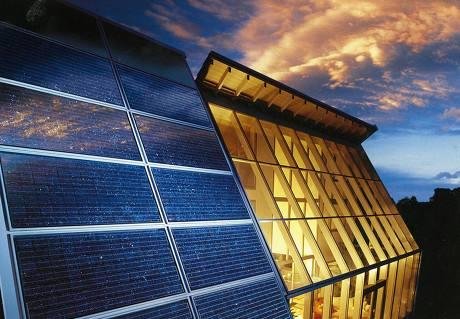
You can turn parts of your building—roof, façade, or windows—into electricity-producing surfaces without adding bulky racks or panels. Building integrated solar panel (BIPV) replace conventional building materials to generate power while preserving aesthetics and structure, letting you cut energy bills and land use at the same time.
This article Building Integrated Solar Panels shows how BIPV works, where it fits into construction projects, and what benefits and trade-offs to expect, from semi-transparent window modules to full solar façades. Expect practical comparisons, real-world applications, and factors that matter for design, cost, and performance so you can judge whether BIPV suits your project.
Understanding Building Integrated Solar Panels
Building-integrated solar panels combine structural function and electricity generation while influencing aesthetics, thermal performance, and maintenance schedules. You’ll learn how these systems work, the main product types, and how they compare to conventional rooftop arrays.
Key Features of BIPV Systems
BIPV systems replace traditional building materials and produce electricity, so you must treat them as both envelope and power equipment. Expect integrated components that serve roofing, façade, or glazing functions while connecting to inverters, wiring, and your building’s electrical distribution.
Pay attention to these practical characteristics:
- Dual function: structural or cladding role plus PV generation.
- Aesthetics: modules match color, texture, or translucency of the building skin.
- Thermal and daylighting effects: can change insulation, solar heat gain, and light transmission.
- Electrical integration: requires dedicated inverters, stringing strategies, and code-compliant connections.
- Maintenance and access: cleaning and replacement access must be planned during design.
You should budget for slightly higher upfront costs and tighter coordination between architects, engineers, and installers because BIPV affects multiple building trades.
Types of Building Integrated Solar Panels
BIPV products come in several form factors that directly substitute conventional envelope materials. Choose the type that aligns with your design, structural loads, and energy goals.
Common types include:
- BIPV roofing: solar shingles, tiles, or thin laminates that replace roof coverings while shedding water and supporting loads.
- Façade systems: glazed or opaque photovoltaic panels integrated into curtain walls, cladding, or ventilated façades for vertical generation.
- Solar glazing: semi-transparent PV glass for windows, skylights, and canopies that balance daylight with power production.
- Balcony and parapet modules: low-profile elements that act as barriers or shades while generating electricity.
Each type varies in efficiency, weight, and buildability. For example, crystalline modules offer higher efficiency but more thickness and weight; thin-film or CIGS options integrate better into curved façades and glazing but often deliver lower power per area.
How BIPV Differs from Traditional Solar Panels
BIPV replaces building materials; rooftop PV mounts on existing surfaces. That distinction changes project scope and technical requirements you’ll face.
Key differences to consider:
- Integration vs. addition: BIPV is part of the envelope, so structural design, waterproofing, and fire ratings are integral. Rooftop arrays add racking and penetrations to an existing roof.
- Design coordination: BIPV demands early collaboration among architects, structural engineers, and electrical designers. Standard solar can be retrofitted with less architectural input.
- Performance trade-offs: BIPV priorities include appearance and multi-functionality, which can reduce achievable power density compared with optimally tilted rooftop arrays.
- Regulatory and permitting: BIPV must meet building codes for materials, wind loads, and enclosure performance in addition to electrical codes.
- Lifecycle and maintenance: replacing a BIPV module can affect the envelope integrity; plan for modular replacement strategies and accessible service routes.
Applications and Benefits of BIPV
BIPV replaces conventional building elements with solar-generating components, reduces on-site electrical demand, and can improve facade or roof performance. You’ll find specific use cases in residences, commercial buildings, energy and sustainability gains, and ways BIPV enhances architectural design.
Residential and Commercial Use Cases
You can install BIPV as roof shingles, curtainwall glazing, or ventilated facade panels depending on building type and orientation.
In homes, solar roof tiles and semi-transparent skylights supply daytime electricity, reduce reliance on grid power, and preserve curb appeal when replacing standard roofing materials. Small systems (1–10 kW) commonly offset lighting, appliances, and heat-pump loads.
In commercial buildings, BIPV curtainwalls and canopies scale to larger arrays (tens to hundreds of kW) and integrate with building management systems for demand-response. Retail, office, and warehouse projects use BIPV to meet corporate sustainability targets and gain utility incentives.
You should evaluate structural load, fire code compliance, and electrical interconnection early in design to avoid costly retrofits.
Energy Efficiency and Sustainability Impact
BIPV directly converts incident solar radiation to electricity while often providing thermal and daylighting functions too.
Integrated photovoltaic glazing can reduce artificial lighting needs by up to 20–40% depending on transparency and control strategies, while insulated BIPV panels add to envelope R-values and lower heating/cooling loads.
You can achieve net energy reductions through on-site generation paired with storage or efficient HVAC controls.
Lifecycle carbon reductions depend on panel type and installation scale; replacing fossil-fuel electricity typically yields measurable CO2 savings within several years of operation. Track system performance with real-time monitoring to verify savings and qualify for green building ratings or incentives.
Aesthetic and Architectural Integration
BIPV gives you material choices—textured glass, colored modules, thin-film laminates—that match facades, rooflines, and window systems.
You can maintain or improve design intent because BIPV often replaces cladding or glazing rather than being mounted on top of it.
Use modular BIPV panels to create patterned facades, shaded walkways, or illuminated parapets while preserving water tightness and fire separation details.
Coordinate with architects and manufacturers on junction details, mounting interfaces, and color/reflectance specifications to avoid mismatched finishes or thermal bridging.

1 Comment
[9956]Aceph Official Login | Legit Online Casino at Mabilis na GCash,Mag-sign in sa aceph para sa legit na gaming experience. I-download ang app at alamin kung paano maglaro ng slots gamit ang mabilis na GCash. Mag-register na rito! visit: aceph